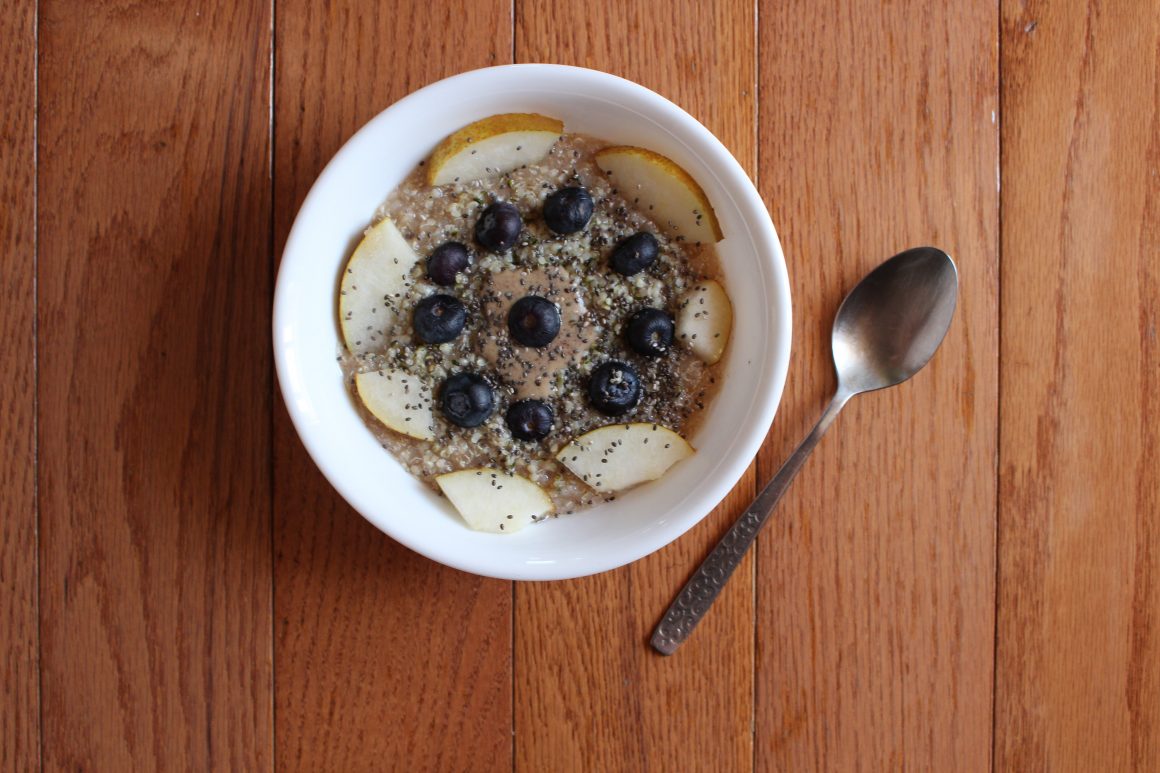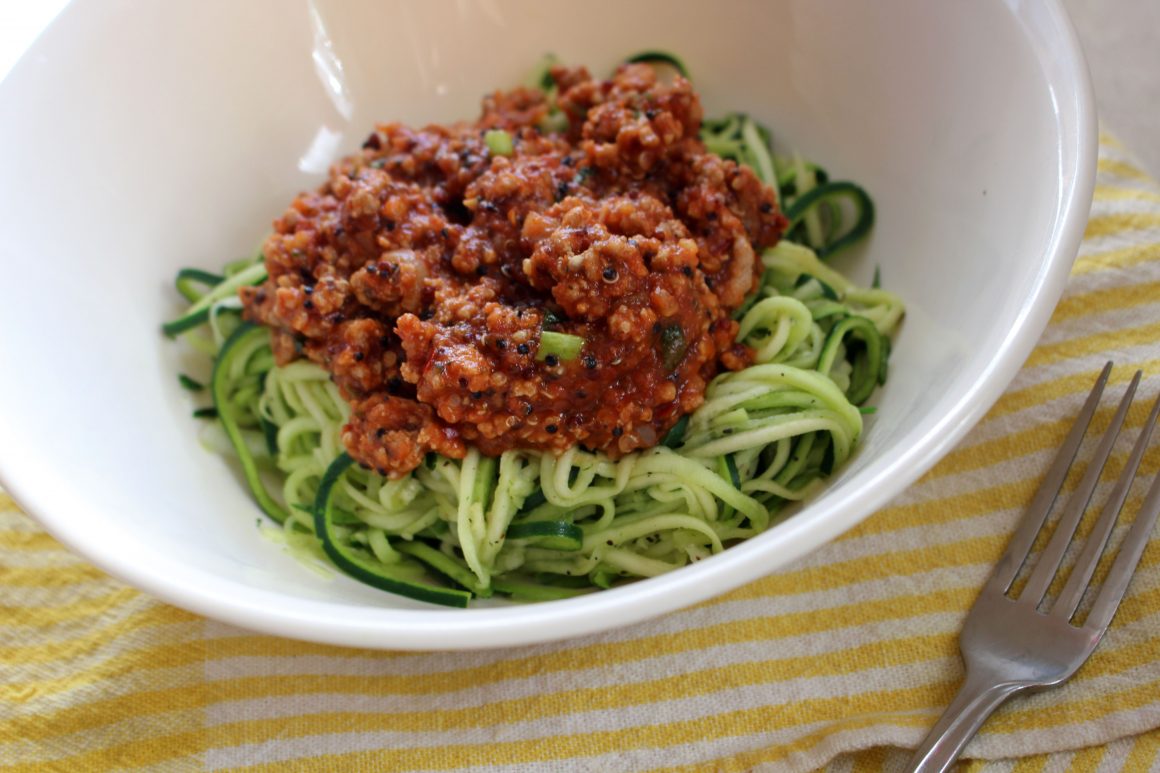
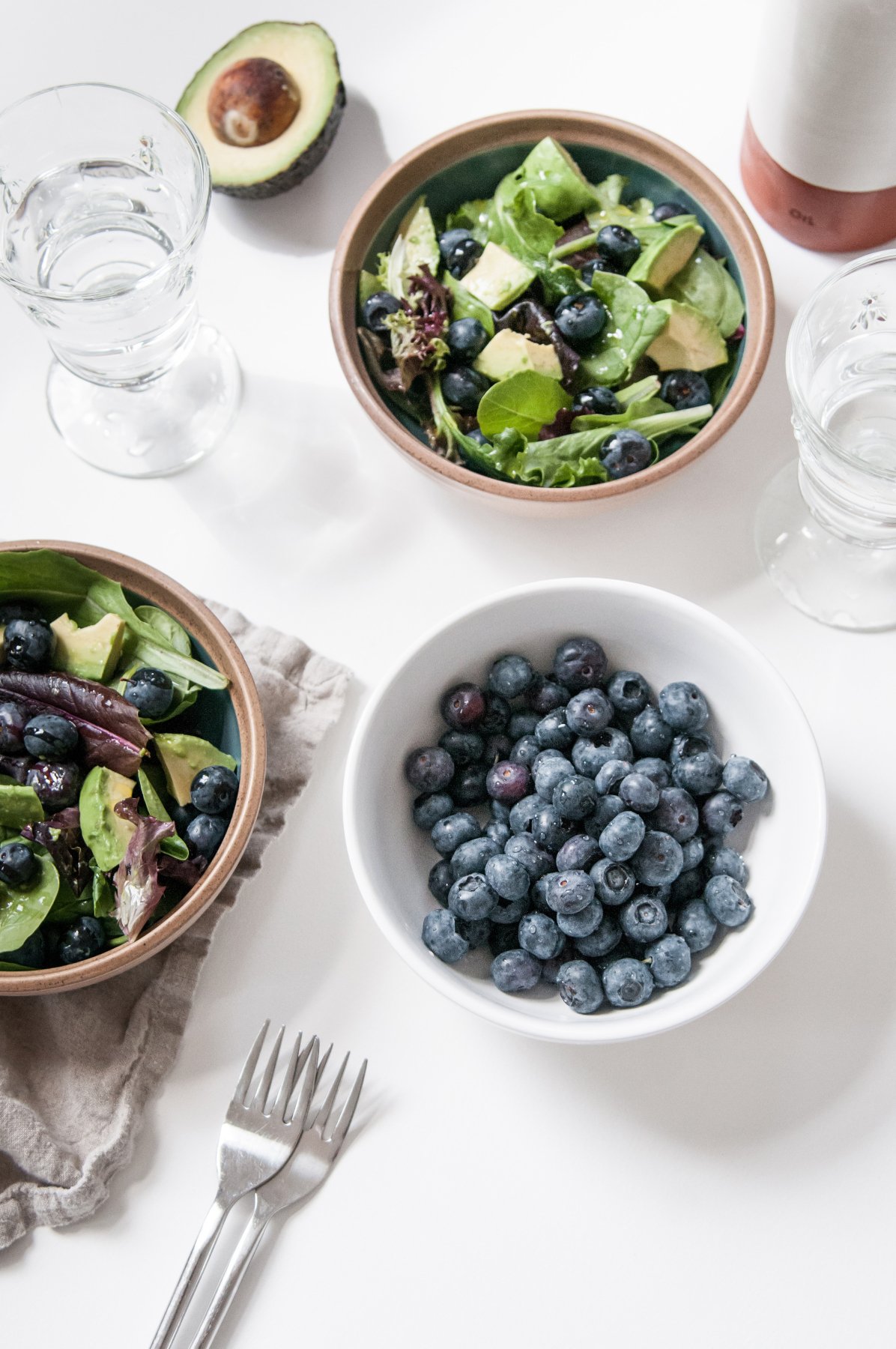
This blog post is all about how to reframe your mind to eat with intention
You see it every day on social media: various food trends, “What I Eat In A Day” videos, fad diets, and more.
It’s easy to feel disconnected from what your body truly needs. We often find ourselves eating out of habit, emotion, or convenience, without ever pausing to ask: Is this food truly serving me?
This is where intentional eating comes in. When you change your mindset around food, you begin to change your plate—not from a place of restriction or guilt, but from a place of alignment, awareness, and nourishment.
I want to explore what it really means to eat with intention and how to shift your mindset to support your health and well-being, one bite at a time.
What is Intentional Eating?
Intentional eating is not about dieting. It’s about deciding—from a grounded place—what you want to eat based on how it makes you feel, how it supports your goals, and how it fits into the life you’re building.
It calls for more mindful awareness in your food choices. For example, if you’re feeling especially hungry, intentional eating encourages you to focus on foods that promote lasting fullness, rather than simply reaching for heavier, denser options that might leave you feeling hungry again soon.
What intentional eating can lead to is letting go of shame-based narratives like “good” vs “bad” food and tuning into what feels aligned with your values and wellness. Try this exercise out whenever you notice you’re about to label the food you eat as “good” or “bad”.
Instead of saying “This food is bad for me” reframe it to ask “How will this food make me feel physically and emotionally?”
Ditch “Diet Culture” and Embrace Conscious Choices
I know this seems counterintuitive coming from me, since I’ve spoken about the Candida Diet throughout my social channels. However, what I’ve grown to realize is that labeling foods as “bad” or those to be restrictive subconsciously built up a lot of tension within my body, leading to stress, which is the opposite of what I was aiming for.
Often, I found myself being very hard on myself if I chose to eat pizza, bread, and fruits that my body craved. It was as if I silently punished myself and felt like I had to start from the ground up when it came to healing my gut health. It didn’t feel encouraging and often left me feeling defeated.
That’s why I make it such a point now to listen to your body and eat with intention. Not only does this mean tuning into how your body feels when you eat food more in alignment with your needs, but it’s the lifestyle change that leads to making a more conscious switch.
Eating mindfully, eating slower, and showing up for your future self will make all the difference when it comes to eating with intention and alignment.
Start With Self-Awareness, Not Self-Criticism
Changing your plate starts with noticing your habits, without judgment. Are you stress-eating late at night? Skipping meals because you’re busy? Overeating because you’re rushing? Once you’re aware of your patterns, you can begin to make gentle changes that align with your intentions.
This is the foundation of both mindful eating and eating with intention. It’s not about being perfect—it’s about being present.
Try this: Before each meal, pause and ask:
- Am I actually hungry, or am I emotionally triggered?
- What is my body asking for right now?
- Will this meal help me feel energized, focused, or calm?
Use Food as a Form of Self-Respect
When you eat with intention, you’re saying “I care about myself.”
Your plate becomes more than a collection of nutrients, it becomes an act of love. That could mean prioritizing more whole foods, cutting back on sugar, or drinking more water, not because you “should,” but because you want to feel better.
Mindset Shift: Eating well isn’t punishment—it’s self-respect.
Tune Into Your Body’s Cues
We often outsource our decisions about food to apps, calorie trackers, or influencers. But your body is constantly giving you feedback. Bloating, brain fog, cravings, and fatigue are all messages. When you embrace intentional eating, you begin to listen to those signals and adjust accordingly.
Example: If dairy makes you feel sluggish, maybe it’s time to explore alternatives—not because it’s trendy, but because your body is asking for a change.
Practice Gratitude for What Nourishes You
Food isn’t just fuel—it’s comfort, culture, and connection. The way we think about our meals matters. A rushed, distracted lunch doesn’t nourish you the same way a slow, present meal does. Practicing gratitude before eating is a beautiful way to reset your mindset and honor your plate.
This small act is a powerful piece of mindful eating—bringing awareness and appreciation to your meal.
Try this affirmation:
“I choose to nourish myself with love, intention, and gratitude.”
Redefine What “Healthy” Looks Like—for You
“Healthy” is not one-size-fits-all. Your needs will shift with your season of life, hormones, stress levels, and personal goals. Eating with intention means being flexible and honest with what you need right now, not what worked five years ago or what someone else is doing.
Mindset Shift: Eating aligned with your body > eating to meet someone else’s expectations.

Create a Ritual, Not a Routine
Routines can feel rigid. But rituals feel sacred. Whether it’s making a colorful breakfast bowl, sipping herbal tea while journaling, or cooking a nourishing dinner with music on—these small habits turn eating into a mindful and grounded experience.
Ask yourself: What small rituals around food make me feel calm, joyful, and empowered?
Let Food Be a Mirror
The way we eat reflects the way we live. When you slow down, check in, and eat with intention, you create ripple effects across your life. You show up more clearly, confidently, and compassionately—not just to your meals, but to yourself.
So the next time you build a plate, remember this: You’re not just feeding your body. You’re feeding your mindset, your energy, and your future. And that is the kind of nourishment that changes everything.
Want to take this further?
Start with a simple challenge: For the next 3 days, commit to one intentional eating moment each day. That could be a tech-free meal, listening to your cravings without judgment, or preparing something from scratch. Notice how it makes you feel.